หลักสูตร AI Literacy สำหรับพนักงานทุกคน — พื้นฐานการใช้ AI อย่างถูกต้องทั้งองค์กรAI Literacy for Every Employee — A Company-Wide Baseline for Using AI Properly
อัปเดตล่าสุด 2026-10-15Last updated 2026-10-15
ไม่ใช่คอร์สเขียนโค้ด แต่เป็นพื้นฐานที่ทุกคนต้องมี: รู้ว่า AI เก่งและพลาดตรงไหน ตรวจคำตอบเป็น และรู้ว่าข้อมูลไหนห้ามใส่Not a coding course — the baseline everyone needs: what AI is good and bad at, how to check its answers, and which data never goes in
ช่วงปลายปีคือช่วงที่ HR ต้องวางแผนอบรมของปีหน้า และคำถามที่เจอบ่อยขึ้นเรื่อย ๆ คือจะเริ่มเรื่อง AI ตรงไหน ความจริงในหลายบริษัทตอนนี้คือพนักงานใช้ AI กันอยู่แล้ว แต่ใช้คนละแบบ บางคนวางรายชื่อลูกค้าลงแชต AI สาธารณะโดยไม่รู้ว่าเสี่ยง บางคนเชื่อตัวเลขที่ AI คำนวณแล้วส่งต่อทันที และอีกไม่น้อยไม่กล้าแตะเลยเพราะไม่แน่ใจว่าบริษัทอนุญาตไหม ถ้าส่งคนกลุ่มนี้ไปเรียนคอร์สเฉพาะทางเลย แต่ละแผนกจะได้กติกาและนิสัยการใช้งานคนละชุด หลักสูตรนี้จึงเป็นฐานร่วมที่ทุกคนในบริษัทเรียนเหมือนกันก่อน ตั้งแต่พนักงานใหม่จนถึงหัวหน้าแผนก เพื่อให้ใช้ศัพท์เดียวกัน ตรวจงานด้วยนิสัยเดียวกัน และรู้กติกาเรื่องข้อมูลชุดเดียวกัน ก่อนแยกไปเรียนตามสายงานYear-end is when HR plans next year's training, and one question keeps coming up: where do we start with AI? In many companies the reality is that staff already use AI, just in very different ways. Some paste customer lists into public AI chats without realising the risk, some forward numbers AI calculated without checking, and plenty never touch it because they are not sure the company allows it. Send this mix straight to specialist courses and every department ends up with its own rules and its own habits. This course is the shared baseline everyone takes first, from new joiners to department heads, so the whole company uses the same vocabulary, checks work with the same habit and follows the same data rules before branching into role-specific training.
สรุปสั้นTL;DR
AI Literacy คือความรู้พื้นฐานที่พนักงานทุกคนต้องมีเพื่อใช้ AI ในงานอย่างถูกต้อง คือรู้ว่า AI ทำอะไรได้ดีและพลาดตรงไหน ตรวจคำตอบก่อนนำไปใช้ ไม่ใส่ข้อมูลที่ห้ามใส่ ทำตามนโยบายของบริษัท และรู้ว่าใครรับผิดชอบงานที่ส่งออกไป โดยไม่ต้องเขียนโค้ด หลักสูตร AI Literacy สำหรับพนักงานทุกคนของ AI Trainer Thailand เป็นเวิร์กชอป 1 วันหรือแบ่งเป็น 2 โมดูลครึ่งวัน จัดเป็นรุ่นตามแผนกได้ทั้งองค์กร ครอบคลุมตั้งแต่ AI ทำงานยังไง การเขียนพรอมต์ การตรวจคำตอบ ข้อมูลต้องห้าม นโยบายบริษัท จนถึงการรู้ทัน deepfake AI Trainer Thailand จัดอบรม AI ให้แล้วกว่า 100 องค์กร รวมถึงผู้เข้าอบรมจาก 9 หน่วยงานภาครัฐ ด้วยหลักสูตรทั้งหมด 64 หลักสูตร จัดได้ทั้งแบบ Onsite ทั่วประเทศและออนไลน์ มีใบรับรอง ปรึกษาและขอใบเสนอราคาฟรีภายใน 24 ชั่วโมงAI literacy is the baseline knowledge every employee needs to use AI at work properly: knowing what AI does well and where it fails, checking answers before using them, keeping restricted data out, following company policy, and knowing who is accountable for what goes out — with no coding involved. AI Trainer Thailand's AI Literacy for Every Employee course is a one-day workshop, or two half-day modules, designed to be rolled out department by department across the whole organization. It covers how generative AI works, prompting basics, checking answers, restricted data classes, the company AI policy, and deepfake awareness. AI Trainer Thailand has delivered AI training to 100+ organizations, including participants from 9 government agencies, across 64 courses. It runs onsite nationwide or online, includes a certificate, with free consultation and a quote within 24 hours.
AI Literacy คืออะไรWhat is AI literacy?
AI Literacy คือความสามารถพื้นฐานในการใช้ AI ในงานอย่างรู้เท่าทัน ไม่ใช่ทักษะเขียนโปรแกรม พนักงานที่มี AI Literacy จะรู้ว่างานไหนควรให้ AI ช่วยและงานไหนไม่ควร ตรวจคำตอบก่อนใช้จนเป็นนิสัย ไม่ใส่ข้อมูลต้องห้ามลงเครื่องมือสาธารณะ และรู้ว่าตัวเองยังเป็นเจ้าของงานที่ส่งออกไปเสมอAI literacy is the basic ability to use AI at work with your eyes open — it is not a programming skill. An AI-literate employee knows which tasks AI should help with and which it should not, checks answers out of habit, keeps restricted data out of public tools, and knows they still own whatever they send out.
5 องค์ประกอบของ AI Literacy ในที่ทำงานThe five parts of AI literacy at work
- รู้ว่า AI เก่งอะไรและพลาดอะไร — เก่งเรื่องร่าง สรุป เรียบเรียง แปล และระดมไอเดีย แต่พลาดบ่อยเรื่องตัวเลข การอ้างอิง ข้อกฎหมาย และเรื่องที่เพิ่งเกิดKnow what AI is good and bad at — strong at drafting, summarising, rewording, translating and brainstorming; often wrong on numbers, citations, legal points and recent events.
- ตรวจคำตอบก่อนใช้ — ตรวจมากหรือน้อยตามเดิมพันของงาน ส่วนตัวเลข ชื่อ และวันที่ต้องเทียบกับต้นทางเสมอ ตามแนวทางใน คู่มือตรวจสอบคำตอบ AICheck answers before using them — more or less thoroughly depending on the stakes, but numbers, names and dates are always checked against the source, as set out in our guide to checking AI answers.
- ปกป้องข้อมูล — รู้ว่าข้อมูลลูกค้า ข้อมูลพนักงาน ตัวเลขการเงินที่ยังไม่เปิดเผย และเอกสารลับ ห้ามใส่ในเครื่องมือที่บริษัทไม่ได้อนุมัติProtect data — know that customer data, employee data, unpublished financials and confidential documents never go into tools the company has not approved.
- ทำตามนโยบาย — รู้ว่าเครื่องมือไหนอนุมัติแล้ว งานแบบไหนต้องให้คนตรวจ และถ้าไม่แน่ใจต้องถามใครFollow the policy — know which tools are approved, which work needs a human check, and who to ask when unsure.
- รู้ว่าใครรับผิดชอบ — AI ไม่ใช่ผู้เขียนงาน คนที่กดส่งคือเจ้าของงาน และการแจ้งเมื่อเจอ AI ผิดพลาดเป็นเรื่องที่ควรทำ ไม่ใช่เรื่องน่าอายKnow who is accountable — AI is not the author; whoever hits send owns the work, and reporting an AI mistake is the right thing to do, not something to hide.
สิ่งที่ไม่ได้อยู่ในนิยามนี้คือการเขียนโค้ด การสร้างโมเดล หรือการท่องศัพท์เทคนิค ใครอยากรู้ความหมายของคำอย่าง token หรือ hallucination อ่านต่อได้ที่ ศัพท์ AI ที่คนทำงานควรรู้What is not in this definition: writing code, building models, or memorising technical jargon. Anyone curious about terms like token or hallucination can read AI terms every working person should know.
อีกเหตุผลที่หลายองค์กรเริ่มจริงจังเรื่องนี้คือ กฎเกณฑ์ด้าน AI ในบางประเทศเริ่มคาดหวังให้องค์กรที่ใช้ AI ดูแลให้พนักงานมีความรู้ด้าน AI เพียงพอกับงานที่ทำแล้ว องค์กรที่มีบริษัทแม่หรือคู่ค้าในต่างประเทศจึงอาจถูกถามเรื่องนี้ ส่วนภาพของไทยเองดูได้ที่ กฎหมาย AI ของไทยกำลังจะมา องค์กรต้องเตรียมอะไรAnother reason organisations are taking this seriously: AI rules in some jurisdictions now expect organisations that use AI to make sure their staff have enough AI knowledge for the work they do. Companies with an overseas parent or overseas partners may well be asked about it. For the Thai picture, see Thailand's AI law is coming — what organisations should prepare.
AI Literacy ต่างจากคอร์ส ChatGPT และคอร์สเฉพาะสายงานยังไงHow is AI literacy different from a ChatGPT course or a role-specific course?
AI Literacy ปูฐานร่วมให้ทุกคนในบริษัทใช้ AI อย่างปลอดภัยและตรวจงานเป็น คอร์สเครื่องมืออย่างคอร์ส ChatGPT สอนใช้เครื่องมือตัวหนึ่งให้คล่องและลึก ส่วนคอร์สเฉพาะสายงานฝึกใช้ AI กับงานจริงของแผนก ลำดับที่เหมาะกับองค์กรส่วนใหญ่คือเริ่มที่ฐานร่วมก่อน แล้วค่อยแยกตามเครื่องมือหรือสายงานAI literacy gives everyone in the company a shared foundation for using AI safely and checking its output. A tool course such as a ChatGPT course teaches one tool in depth. A role-specific course trains a department to use AI on its own work. For most organisations the right order is the shared baseline first, then branching by tool or by role.
| ประเด็นAspect | AI Literacy (ฐานร่วม)AI literacy (baseline) | คอร์สเครื่องมือ เช่น ChatGPTTool course, e.g. ChatGPT | คอร์สเฉพาะสายงานRole-specific course |
|---|---|---|---|
| ใครเรียนWho attends | พนักงานทุกคนทุกระดับ รวมหัวหน้าEvery employee at every level, managers included | คนที่ใช้เครื่องมือนั้นเป็นประจำPeople who use that tool regularly | ทีมในแผนกเดียวกัน เช่น HR ขาย บัญชีOne department, e.g. HR, sales, accounting |
| เป้าหมายGoal | ใช้ AI อย่างปลอดภัย ตรวจคำตอบเป็น ทำตามกติกาเดียวกันSafe use, answer-checking, one set of rules | ใช้ฟีเจอร์ของเครื่องมือได้คล่องและเร็วขึ้นFluent, faster use of the tool's features | ทำงานจริงของแผนกได้เร็วและดีขึ้นด้วย AIFaster, better departmental work with AI |
| ความลึกDepth | กว้างและพื้นฐาน เน้นวิธีคิดและกติกาBroad and foundational: judgment and rules | ลึกในเครื่องมือตัวเดียวDeep in a single tool | ลึกในงานของแผนก ใช้ได้หลายเครื่องมือDeep in the department's work, across tools |
| เรียนเมื่อไหร่When | ก่อนหรือพร้อมกับการเปิดให้ใช้เครื่องมือที่บริษัทอนุมัติBefore, or alongside, rolling out approved tools | หลังบริษัทเลือกเครื่องมือแล้วAfter the company has chosen its tool | หลังทุกคนมีฐานร่วมแล้วOnce everyone has the shared baseline |
| ถ้าข้ามไปIf skipped | แต่ละแผนกตั้งกติกากันเอง ความเสี่ยงเรื่องข้อมูลไม่เท่ากันEach department sets its own rules; data risk varies | คนใช้ได้แค่ฟีเจอร์พื้นฐานPeople only ever use the basic features | AI ไม่เข้าไปอยู่ในงานจริงของแผนกAI never makes it into real departmental work |
| ตัวอย่างExamples | หลักสูตรในหน้านี้The course on this page | คอร์ส ChatGPT, Microsoft CopilotChatGPT course, Microsoft Copilot | AI สำหรับ HR, AI สำหรับฝ่ายขายAI for HR, AI for Sales |
ควรใส่ AI Literacy ไว้ตรงไหนในแผนอบรมปีหน้าWhere should AI literacy sit in next year's training plan?
ใส่ไว้ต้นแผน เพราะเป็นหลักสูตรเดียวที่ทุกคนต้องเรียน และเป็นฐานที่ทำให้คอร์สอื่นคุ้มขึ้น ถ้าจัดฐานร่วมในไตรมาสแรก พนักงานจะเข้าคอร์สเฉพาะทางโดยรู้กติกาเรื่องข้อมูลและการตรวจงานแล้ว เวลาในคอร์สถัดไปจึงใช้กับงานจริงได้เต็มที่ หัวข้ออื่นที่ควรอยู่ในแผนดูได้ที่ หัวข้ออบรมพนักงานปี 2570 ที่ HR ควรใส่ในแผนPut it at the start of the plan: it is the one course everyone must take, and it makes every other course pay off better. Run the baseline in the first quarter and staff arrive at specialist courses already knowing the data rules and how to check work, so the time in those courses goes on real tasks. For the other topics worth including, see training topics HR should put in the 2027 plan.
อบรม AI Literacy เรียนอะไรบ้าง — 7 โมดูลหลักWhat Does AI Literacy Training Cover? Seven Core Modules
หลักสูตรเรียงจากความเข้าใจไปสู่กติกา เริ่มจาก AI ทำงานยังไงในภาษาคน การเขียนพรอมต์เบื้องต้น การตรวจคำตอบ ประเภทข้อมูลต้องห้าม นโยบาย AI ของบริษัท การรู้ทัน deepfake และการใช้อย่างรับผิดชอบ ทุกโมดูลมีแบบฝึกสั้นกับงานจริงและไม่มีการเขียนโค้ดThe course moves from understanding to rules: how AI works in plain words, prompting basics, checking answers, restricted data, the company AI policy, deepfake awareness, and responsible use. Every module includes a short exercise on real work, and none involves coding.
1. Generative AI ทำงานยังไง (ภาษาคน)1. How generative AI works, in plain words
AI ไม่ได้ค้นคำตอบจากคลังความจริง แต่เรียงคำที่น่าจะตามมาจากรูปแบบที่เคยเห็น จึงเขียนลื่นแม้ตอนผิด เข้าใจข้อนี้ข้อเดียว พนักงานจะเลิกถามว่า "AI บอกแบบนี้ ถูกไหม" แล้วเปลี่ยนมาถามว่า "ต้องเช็กอะไรบ้าง"AI does not look answers up in a store of facts; it strings together the words most likely to come next, based on patterns it has seen — so it writes fluently even when it is wrong. Grasp this one point and staff stop asking "AI said this, is it right?" and start asking "what do I need to check?"
2. เขียนพรอมต์เบื้องต้น2. Prompting basics
สูตรสั้น ๆ ที่ใช้ได้กับทุกเครื่องมือ คือบอกบริบท งานที่ต้องการ รูปแบบผลลัพธ์ และตัวอย่าง ฝึกกับงานที่ทุกแผนกเจอ เช่น ร่างอีเมล สรุปการประชุม และปรับภาษาให้สุภาพ ตัวอย่างเพิ่มเติมอยู่ใน วิธีเขียน Prompt ให้ AI ตอบตรงใจA short formula that works in any tool: give the context, the task, the output format and an example. Practised on work every department has — drafting emails, summarising meetings, making wording more polite. More examples in how to write prompts AI gets right.
3. AI ตอบมั่ว และกิจวัตรตรวจคำตอบ3. Hallucination and a checking routine
จุดที่ AI พลาดบ่อย เช่น ตัวเลข การอ้างอิง ข้อกฎหมาย วันที่ และชื่อเฉพาะ พร้อมกิจวัตรตรวจ 5 ขั้นที่ปรับความเข้มตามเดิมพันของงาน ตามแนวทางใน AI ตอบมั่ว ตรวจสอบคำตอบยังไงWhere AI tends to go wrong — numbers, citations, legal points, dates, proper names — and a five-step checking routine whose depth scales with the stakes, following when AI makes things up: how to check.
4. ข้อมูลไหนห้ามใส่ในเครื่องมือ AI สาธารณะ4. What never goes into a public AI tool
แบ่งข้อมูลเป็นระดับให้จำง่าย ข้อมูลลูกค้า ข้อมูลพนักงาน ตัวเลขการเงินที่ยังไม่เปิดเผย สัญญา และรหัสผ่าน ห้ามใส่ในเครื่องมือที่บริษัทไม่ได้อนุมัติ ฝึกลบข้อมูลระบุตัวตนก่อนใช้ AI และรู้ว่าเงื่อนไขการใช้ข้อมูลของผู้ให้บริการต้องเช็กจากฉบับล่าสุดเสมอ รายละเอียดอยู่ที่ ใช้ AI ยังไงไม่ให้ข้อมูลบริษัทรั่วData sorted into easy-to-remember classes: customer data, employee data, unpublished financials, contracts and passwords never go into tools the company has not approved — plus practice removing identifying details before using AI, and the habit of checking each provider's current data-use terms. Details in using AI without leaking company data.
5. นโยบาย AI ของบริษัทคุณ5. Your company's AI policy
เดินผ่านนโยบายจริงของบริษัททีละข้อ เครื่องมือไหนอนุมัติ งานไหนต้องให้คนตรวจ ใช้บัญชีส่วนตัวได้ไหม และไม่แน่ใจต้องถามใคร ถ้ายังไม่มีนโยบาย เริ่มจาก โครงร่างนโยบายการใช้ AI 8 ข้อA walk through the company's actual policy, clause by clause: which tools are approved, which work needs a human check, whether personal accounts are allowed, and who to ask. No policy yet? Start from our eight-clause AI use policy.
6. รู้ทัน deepfake และการหลอกลวง6. Deepfake and social-engineering awareness
เสียงหรือวิดีโอปลอมเป็นผู้บริหาร อีเมลเร่งให้โอนเงิน และข้อความหลอกขอรหัส ฝึกจับสูตร "อำนาจ + เร่งด่วน + ขอให้เก็บเป็นความลับ" และขั้นตอนยืนยันผ่านช่องทางที่สอง อ่านเพิ่มที่ เสียงเจ้านายสั่งโอนเงินด่วนCloned executive voices or videos, urgent transfer emails, and messages fishing for codes. Staff practise spotting the "authority + urgency + keep it secret" formula and confirming through a second channel. More in a cloned boss voice ordering a transfer.
7. ใช้อย่างรับผิดชอบ และเปิดเผยเมื่อควร7. Responsible use and disclosure
คนที่กดส่งคือเจ้าของงาน ไม่ใช่ AI เมื่อไหร่ควรบอกลูกค้าว่าใช้ AI ช่วย งานแบบไหนต้องมีคนตัดสินใจเสมอ และแจ้งความผิดพลาดจาก AI ได้โดยไม่ถูกตำหนิWhoever hits send owns the work, not the AI. When to tell a customer AI helped, which decisions always need a human, and how to report an AI mistake without being blamed for it.
ฝึกกับงานจริง + งานสั้นก่อน-หลังเรียนReal-work practice + before/after task
ทุกรุ่นเริ่มและจบด้วยงานสั้นชิ้นเดียวกัน HR จึงเห็นว่าพนักงานจับข้อผิดและตัดข้อมูลต้องห้ามได้ดีขึ้นแค่ไหน โดยไม่ต้องพึ่งแบบประเมินความพึงพอใจอย่างเดียวEvery wave starts and ends with the same short task, so HR can see how much better staff got at catching errors and removing restricted data — without relying on a satisfaction survey alone.
สิ่งที่คุณจะได้เรียนWhat You'll Learn
- อธิบายได้ด้วยภาษาตัวเองว่าทำไม AI ตอบผิดแต่ฟังดูมั่นใจExplain in your own words why AI can sound sure and still be wrong
- เขียนพรอมต์ที่มีบริบท งาน รูปแบบผลลัพธ์ และตัวอย่างครบWrite prompts with context, task, output format and an example
- ตรวจคำตอบ AI หนักหรือเบาตามเดิมพันของงานCheck AI answers as thoroughly as the stakes require
- แยกข้อมูลที่ใส่ได้ ต้องลบข้อมูลระบุตัวตนก่อน และห้ามใส่เด็ดขาดSort data into fine to use, de-identify first, and never
- รู้กติกาในนโยบาย AI ของบริษัท และช่องทางถามเมื่อไม่แน่ใจKnow the rules in your company's AI policy and where to ask
- จับสัญญาณการหลอกลวงด้วย deepfake ข้อความเร่งด่วน และอีเมลปลอมSpot deepfakes, pressure messages and fake emails
- รู้ว่าเมื่อไหร่ต้องบอกผู้รับว่าใช้ AI ช่วย และเมื่อไหร่ต้องให้คนตัดสินใจKnow when to disclose AI help and when a person must decide
- รู้ว่าตัวเองควรต่อคอร์สไหนตามงานที่ทำKnow which course to take next for your own role
ตัวอย่างกำหนดการเวิร์กชอป 1 วัน (หรือ 2 โมดูลครึ่งวัน)Sample One-Day Agenda (or Two Half-Day Modules)
กำหนดการนี้ออกแบบให้ทุกรุ่นได้เนื้อหาแกนเดียวกัน แต่ตัวอย่างฝึกมาจากงานของแผนกที่เข้าเรียน ช่วงเช้าและช่วงบ่ายแยกเป็นโมดูลครึ่งวันได้ เหมาะกับองค์กรที่ดึงพนักงานออกจากงานทั้งวันไม่ได้This agenda gives every wave the same core content, with practice examples drawn from the department attending. The morning and afternoon can run as separate half-day modules for organisations that cannot release staff for a full day.
09:30
เปิดคลาส + งานสั้นก่อนเรียนKickoff + Before Task
ผู้เรียนทำงานสั้นชิ้นเดียวกันโดยใช้ AI ช่วย เช่น สรุปเอกสารที่มีตัวเลขผิดและข้อมูลส่วนบุคคลแฝงอยู่ ผลงานชิ้นนี้เก็บไว้เทียบกับตอนท้ายวันEveryone completes the same short task with AI's help — for example, summarising a document that hides a wrong figure and some personal data. The result is kept to compare against the end of the day.
10:30
AI ทำงานยังไง เก่งอะไร พลาดอะไรHow AI Works: Strengths and Blind Spots
อธิบายด้วยภาษาคนและตัวอย่างสด ให้ทุกคนเห็นเองว่า AI ตอบลื่นแม้ข้อมูลผิด และแยกได้ว่างานแบบไหนเหมาะกับ AI งานแบบไหนไม่เหมาะPlain language and live examples, so everyone sees for themselves that AI answers smoothly even when the facts are wrong, and can tell which tasks suit AI and which do not.
12:00
พรอมต์เบื้องต้นกับงานของแผนก + ตรวจคำตอบPrompting on Departmental Work + Checking Answers
ฝึกสูตรบริบท-งาน-รูปแบบ-ตัวอย่างกับงานที่ทุกคนเจอ แล้วล่าจุดผิดในคำตอบที่เตรียมไว้ ทั้งตัวเลข การอ้างอิง วันที่ และชื่อเฉพาะ ด้วยเช็กลิสต์ 5 ขั้นPractise the context-task-format-example formula on everyday work, then hunt for errors in prepared answers — numbers, citations, dates and names — using the five-step checklist.
14:15
ข้อมูลต้องห้าม + นโยบาย AI ของบริษัทRestricted Data + Your AI Policy
แยกข้อมูลเป็นระดับ ฝึกลบข้อมูลระบุตัวตนก่อนใช้ AI แล้วเดินผ่านนโยบายจริงของบริษัทว่าเครื่องมือไหนอนุมัติ งานไหนต้องให้คนตรวจ และไม่แน่ใจต้องถามใครSort data into classes, practise removing identifying details before using AI, then walk through the company's real policy: approved tools, work that needs a human check, and who to ask.
15:30
Deepfake และการหลอกลวงที่ใช้ AIDeepfakes and AI-Powered Scams
ดูตัวอย่างการปลอมเสียงและข้อความเร่งด่วนที่อ้างเป็นผู้บริหาร ฝึกพูดปฏิเสธแรงกดดันและขั้นตอนยืนยันผ่านช่องทางที่สองLook at examples of cloned voices and urgent messages posing as executives, then practise refusing pressure and confirming through a second channel.
16:30
ใช้อย่างรับผิดชอบและการเปิดเผยResponsible Use and Disclosure
คุยกรณีจริงของแผนกว่าใครเป็นเจ้าของงาน เมื่อไหร่ต้องบอกลูกค้าว่าใช้ AI ช่วย และถ้าเจอ AI ผิดพลาดหรือเผลอใส่ข้อมูลผิดที่ ต้องแจ้งใครและทำอะไรต่อWork through the department's own cases: who owns the output, when customers should be told AI helped, and what to do — and who to tell — after an AI error or after pasting data somewhere it should not go.
17:00
งานสั้นหลังเรียน + เส้นทางต่อAfter Task + Next Steps
ทำงานชิ้นเดิมอีกครั้งเพื่อเทียบกับตอนเช้า รับการ์ดสรุปกติกาหนึ่งหน้า และดูว่าตัวเองควรต่อคอร์สเครื่องมือหรือคอร์สเฉพาะสายงานตัวไหนRepeat the morning task to compare, take away a one-page rules card, and see which tool course or role-specific course to take next.
กำหนดการเป็นตัวอย่าง ถ้าแบ่งเป็น 2 โมดูลครึ่งวัน โมดูลเช้าคือความเข้าใจ พรอมต์ และการตรวจคำตอบ โมดูลบ่ายคือข้อมูล นโยบาย deepfake และความรับผิดชอบ พนักงานหน้างานที่มีเวลาจำกัดเริ่มจากโมดูลบ่ายได้This agenda is a sample. Split into two half-day modules, the morning covers understanding, prompting and checking; the afternoon covers data, policy, deepfakes and accountability. Frontline staff with limited time can start with the afternoon module.
หลักสูตรนี้เหมาะกับใครWho Should Attend
อบรมพนักงานหลายร้อยคนทำยังไง — 7 ขั้นตอนวางแผนทั้งองค์กรHow do you train hundreds of employees? A seven-step company-wide rollout
หัวใจคือแบ่งเป็นรุ่นตามแผนก และให้หัวหน้ารู้ก่อนลูกทีม ทุกรุ่นใช้เนื้อหาแกนเดียวกัน แต่ปรับตัวอย่างตามงานของแผนก ผสม Onsite กับออนไลน์สดให้ครอบคลุมสาขาและพนักงานกะ แล้วให้ AI Champion และบทเรียนทบทวนสั้น ๆ รับช่วงต่อหลังคลาสจบ รูปแบบการจัดอบรมภายในองค์กรดูเพิ่มได้ที่ In-house Training สำหรับองค์กรThe core idea: run waves by department, and brief managers before their teams. Every wave gets the same core content with examples adapted to the department's work. Mix onsite and live online sessions to reach branches and shift workers, then let AI champions and short refreshers carry things forward once the class is over. For how in-house training is organised, see In-house Training for organisations.
บรีฟผู้บริหารและหัวหน้าทีมก่อนBrief executives and team leads first
จัดรอบสั้นให้ผู้บริหารและหัวหน้าแผนกก่อนพนักงาน เพื่อเห็นเนื้อหาเดียวกัน ตกลงกติกาที่จะประกาศ และพร้อมตอบเมื่อลูกทีมถาม ถ้าหัวหน้าไม่รู้เรื่อง พนักงานจะกลับไปทำแบบเดิมRun a short session for executives and department heads before staff, so they see the same content, agree on the rules to announce, and are ready when their teams ask. If managers are not on board, staff go back to doing things the old way.
ล็อกนโยบายและเครื่องมือที่อนุมัติก่อนรุ่นแรกLock the policy and approved tools before wave one
สิ่งที่สอนต้องตรงกับกติกาจริง ถ้านโยบายยังเปลี่ยนอยู่ ให้สรุปฉบับที่ใช้ตอนนี้เป็นหนึ่งหน้าก่อน รวมถึงเรื่องพนักงานสร้างเครื่องมือใช้เองด้วย AI ซึ่งดูแนวทางได้ที่ พนักงานสร้างแอปเองด้วย AI คุมยังไงWhat is taught must match the real rules. If the policy is still moving, summarise the current version on one page first — including what happens when staff build their own tools with AI; see governing the tools staff build with AI.
เลือก AI Champion แผนกละหนึ่งถึงสองคนPick one or two AI champions per department
เลือกคนที่สนใจและเพื่อนร่วมงานกล้าถาม ให้เรียนรุ่นแรกและได้เวลาเพิ่มสำหรับคำถามที่เจอบ่อย หลังอบรมเขาคือคนแรกที่ลูกทีมมาถาม ถ้าอยากให้ Champion สอนต่อเองได้ ดู หลักสูตร Train the TrainerChoose people who are interested and whom colleagues feel comfortable asking. They join the first wave and get extra time on common questions; afterwards they are the first port of call for their team. If you want champions to run sessions themselves, see Train the Trainer.
แบ่งรุ่นตามแผนก เริ่มจากแผนกที่ถือข้อมูลอ่อนไหวRun waves by department, starting with sensitive data
เช่น HR บัญชี ฝ่ายขาย และบริการลูกค้า เพราะความผิดพลาดเรื่องข้อมูลของแผนกเหล่านี้มีผลมาก รุ่นที่ผู้เรียนมาจากแผนกเดียวกันฝึกกับตัวอย่างงานจริงได้ง่ายกว่ารุ่นที่คละทุกแผนกFor example HR, accounting, sales and customer service, where a data mistake costs the most. A wave drawn from one department can practise on real examples far more easily than a mixed group.
ผสม Onsite กับออนไลน์สดMix onsite and live online sessions
Onsite เหมาะกับส่วนกลางที่ต้องฝึกมือจริง ออนไลน์สดเหมาะกับสาขาต่างจังหวัด พนักงานกะ และทีมที่รวมตัวกันยาก ทุกรูปแบบใช้เนื้อหาแกนเดียวกันและงานสั้นก่อน-หลังชุดเดียวกันOnsite suits head-office groups who need hands-on practice; live online suits provincial branches, shift workers and teams that are hard to gather. Every format uses the same core content and the same before/after task.
ทบทวนด้วยบทเรียนสั้นทุกไตรมาสRefresh with short lessons every quarter
คลิปหรือแบบทดสอบสั้น ๆ ในระบบ e-learning ของบริษัท สำหรับเรื่องที่ลืมง่าย เช่น ข้อมูลต้องห้าม และใช้ปฐมนิเทศพนักงานใหม่ที่เข้ามาหลังรุ่นอบรมจบไปแล้วShort clips or quizzes in the company's e-learning system for the things people forget, such as restricted data — and for onboarding new joiners who arrive after the waves have finished.
วัดผล แล้วส่งต่อคอร์สเฉพาะสายงานMeasure, then route to role-specific courses
ดูผลงานสั้นก่อน-หลังและพฤติกรรมหลังอบรม แล้วใช้ข้อมูลนี้ตัดสินว่าแผนกไหนควรต่อคอร์สเครื่องมือหรือคอร์สเฉพาะสายงานก่อนLook at the before/after tasks and post-training behaviour, then use that to decide which departments should move on to a tool course or a role-specific course first.
อบรมแล้วรู้ได้ยังไงว่าได้ผลHow do you know the training worked?
ดูจากสิ่งที่พนักงานทำ ไม่ใช่แค่คะแนนความพึงพอใจหลังคลาส สามอย่างที่วัดได้จริงโดยไม่ต้องสร้างตัวเลขให้ดูสวย คือพฤติกรรมที่หัวหน้าสังเกตเห็น ผลงานสั้นชุดเดียวกันก่อนและหลังเรียน และการย้ายมาใช้เครื่องมือที่บริษัทอนุมัติแทนบัญชีส่วนตัวLook at what staff do, not just the satisfaction score after class. Three things can be measured honestly, without dressing up numbers: behaviour managers can observe, the same short task before and after, and a shift to approved tools instead of personal accounts.
| วัดอะไรWhat to measure | วัดยังไงHow | ดูเมื่อไหร่When |
|---|---|---|
| งานสั้นก่อน-หลังเรียนBefore/after task | งานชิ้นเดียวกันที่มีจุดผิดและข้อมูลส่วนบุคคลแฝงอยู่ ดูว่าจับจุดผิดได้กี่จุดและตัดข้อมูลออกครบไหมThe same task with planted errors and personal data; count the errors caught and check whether the data was removed | วันอบรมTraining day |
| พฤติกรรมที่สังเกตได้Observable behaviour | หัวหน้าดูว่างานที่ส่งมาบอกแหล่งข้อมูล ตัวเลขสำคัญถูกตรวจแล้ว และไม่มีข้อมูลลูกค้าในพรอมต์Managers check that work cites its sources, key figures have been verified, and no customer data sits in prompts | เดือนแรกหลังอบรม แล้วทุกไตรมาสFirst month after, then quarterly |
| การใช้เครื่องมือที่อนุมัติUse of approved tools | การใช้งานย้ายมาอยู่ในบัญชีองค์กรมากขึ้น และคำถามถึง AI Champion เปลี่ยนจาก "ใช้ได้ไหม" เป็น "ใช้ยังไงให้ดีขึ้น"More usage moves into company accounts, and questions to AI champions shift from "am I allowed?" to "how do I do this better?" | รายไตรมาสQuarterly |
| การแจ้งความผิดพลาดError reporting | พนักงานกล้าแจ้งเมื่อเจอ AI ผิดหรือเผลอใส่ข้อมูลผิดที่ แทนที่จะเงียบStaff speak up when AI gets something wrong or data went somewhere it should not, rather than staying quiet | ต่อเนื่องOngoing |
ถ้าผลออกมาว่าพนักงานเข้าใจแล้วแต่ยังไม่ใช้ในงานจริง ปัญหามักอยู่ที่ตัวงานยังไม่ได้ถูกปรับให้ AI มีที่ยืน ไม่ใช่ที่การอบรม อ่านต่อที่ อบรม AI ไปแล้วทีมไม่ใช้จริง ปัญหาอยู่ที่ไหนIf the results show staff understand but still do not use AI in their actual work, the problem usually lies in the work itself not having been redesigned to make room for AI — not in the training. Read more in trained on AI, but the team still does not use it.
ตัวอย่างการใช้งานจริงหลังอบรมHow Teams Apply This After the Workshop
สามตัวอย่างด้านล่างเป็นสถานการณ์ที่พบได้ทั่วไปในองค์กรที่พนักงานใช้ AI กันเองก่อนมีฐานร่วม และภาพการทำงานที่เปลี่ยนไปหลังอบรมThe three examples below are typical of organisations where staff started using AI on their own before any shared baseline existed, and how the work changes after the training.
ฝ่ายขายที่เคยวางรายชื่อลูกค้าลงแชต AI สาธารณะA sales team that used to paste customer lists into a public AI chat
เดิมพนักงานขายบางคนคัดลอกรายชื่อและเบอร์โทรลูกค้าทั้งชุดลงแชต AI สาธารณะ เพื่อให้ช่วยร่างข้อความติดตามการขาย โดยไม่ได้คิดว่าเป็นปัญหา หลังอบรมทีมเปลี่ยนมาแทนชื่อจริงด้วยรหัสก่อนให้ AI ร่าง และย้ายงานนี้ไปทำในเครื่องมือที่บริษัทอนุมัติ หัวหน้าทีมก็มีเกณฑ์เดียวกันไว้ตรวจงานลูกทีม ไม่ต้องตัดสินเป็นรายกรณีSome salespeople used to copy entire customer lists, phone numbers included, into a public AI chat to draft follow-up messages, without seeing anything wrong with it. After the training the team replaces real names with codes before asking AI to draft, and has moved this work into the company's approved tool. The team lead now has one standard to check against instead of judging case by case.
ทีมบัญชีที่เคยเชื่อตัวเลขที่ AI คำนวณAn accounting team that used to trust AI's arithmetic
เดิมมีคนให้ AI สรุปยอดจากตารางแล้วนำตัวเลขไปใส่รายงานผู้บริหารทันที หลังอบรมทีมตกลงกันว่าตัวเลขทุกตัวที่ AI ให้มาต้องเทียบกับไฟล์ต้นทางหรือคำนวณซ้ำในสเปรดชีตก่อนส่ง แล้วเปลี่ยนไปใช้ AI กับงานที่มันถนัดกว่า เช่น ร่างคำอธิบายประกอบตัวเลขและสรุปประเด็นให้ผู้บริหารอ่านง่ายSomeone used to ask AI to total figures from a table and drop the result straight into a management report. After the training the team agreed that every number AI produces is checked against the source file or recalculated in a spreadsheet before it goes out — and moved AI onto work it handles better, such as drafting the commentary around the numbers and summarising the key points for executives.
พนักงานสาขาที่ไม่เคยใช้ AI เลยBranch staff who had never used AI
เดิมพนักงานสาขาคิดว่า AI เป็นเรื่องของคนที่ส่วนกลาง เมื่อมีข้อความอ้างเป็นผู้บริหารขอข้อมูลด่วนจึงไม่รู้ว่าต้องระวังอะไร หลังเรียนโมดูลครึ่งวันแบบออนไลน์ พนักงานรู้ว่าต้องยืนยันผ่านช่องทางที่สองก่อนทำตามคำขอที่ผิดปกติ และเริ่มใช้ AI ร่างข้อความตอบลูกค้าจากแม่แบบที่บริษัทอนุมัติ โดยอ่านทวนก่อนส่งทุกครั้งBranch staff used to see AI as something for head office, so when a message claiming to be from an executive asked urgently for information, they did not know what to watch for. After a half-day online module they know to confirm unusual requests through a second channel first, and have started using AI to draft customer replies from company-approved templates, reading each one through before sending.
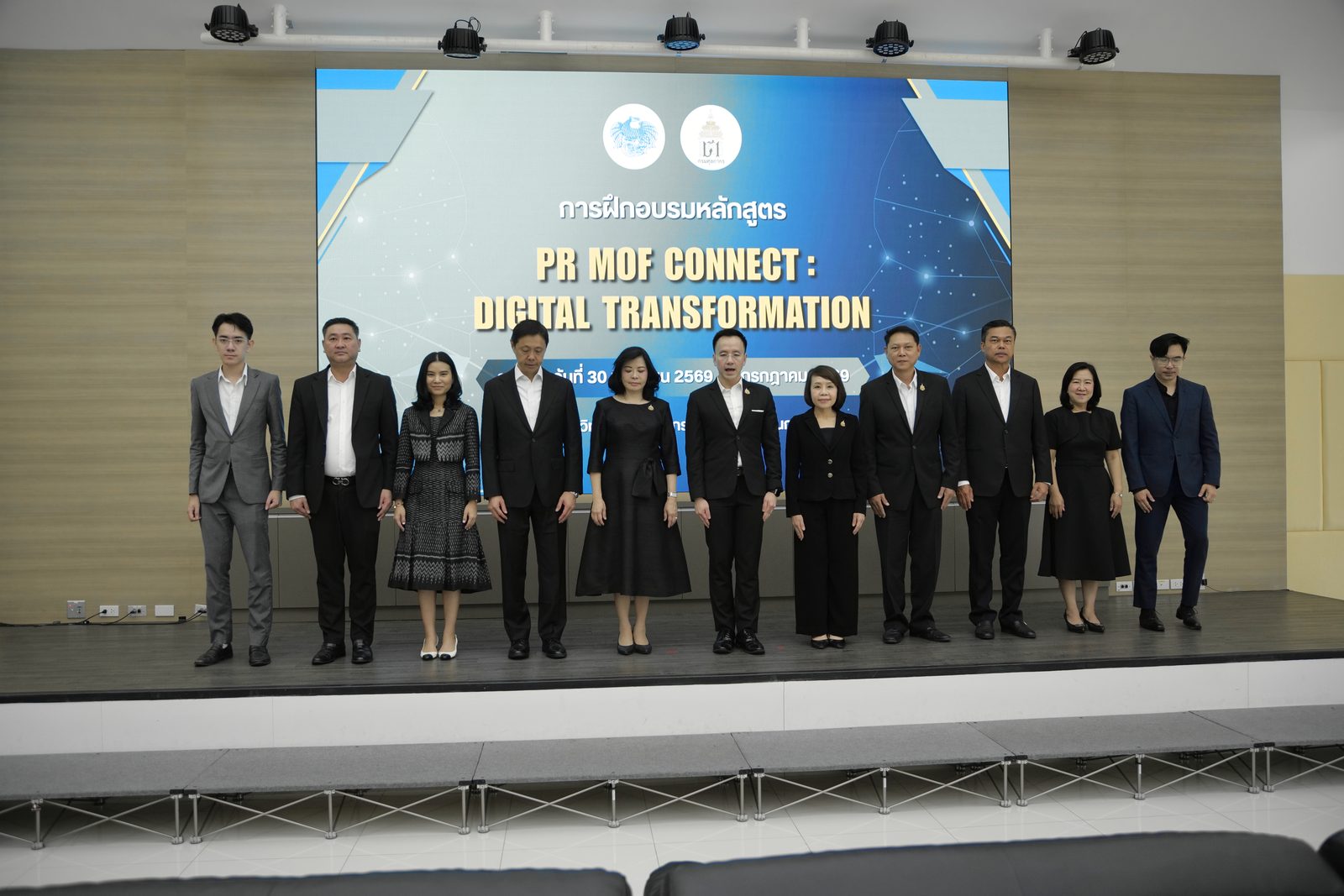
สอนโดยทีมที่มีผลงานอบรมระดับประเทศTaught by a Team With a National Track Record
ทีมวิทยากรของเราให้บริการอบรม AI มาแล้วกว่า 100 องค์กรทั้งภาคเอกชนและภาครัฐ ผลงานล่าสุดคือเวิร์กชอป "PR MOF CONNECT: DIGITAL TRANSFORMATION" ให้ทีมงานจาก 9 หน่วยงานภาครัฐระดับประเทศ — เวิร์กชอปเข้มข้น 3 วันเต็มที่ผู้เรียนทุกคนสร้างผลงานด้วย AI ได้จริงก่อนกลับOur trainers have delivered AI programs to 100+ private and public organizations. Most recently, the "PR MOF CONNECT: DIGITAL TRANSFORMATION" workshop trained teams from 9 national government agencies — three intensive hands-on days where every participant produced real AI work before leaving.
มาตรฐานเดียวกันนี้คือสิ่งที่เรานำไปสู่การอบรมพนักงานทั้งองค์กรของคุณ ไม่ว่าจะอบรมที่บริษัท ที่สาขา หรือออนไลน์That same standard is what we bring to your company-wide rollout — at your offices, at branches, or online.
อ่านเคสระดับประเทศฉบับเต็ม พร้อมภาพบรรยากาศ 16 ภาพRead the full national case with 16 photosเรียน AI Literacy แล้ว ต่อยอดตามสายงานยังไงAfter AI literacy, what comes next for each role?
หลังทุกคนมีฐานร่วมแล้ว ให้แยกเส้นทางตามสิ่งที่แต่ละทีมทำจริง ทีมที่ใช้เครื่องมือตัวหนึ่งทั้งวันควรต่อคอร์สเครื่องมือ ทีมที่มีงานเฉพาะควรต่อคอร์สสายงานที่ฝึกกับเอกสารและงานของแผนกนั้น ส่วนคนที่ต้องเขียนพรอมต์ใช้ซ้ำหรือดูแลคุณภาพคำตอบควรลงลึกเรื่องการประเมินผลOnce everyone shares the baseline, branch out according to what each team actually does. Teams living in one tool all day should take a tool course; teams with specialist work should take a role-specific course built on their own documents and tasks; and people who write reusable prompts or look after answer quality should go deeper into evaluation.
- ทีมที่ใช้ ChatGPT เป็นหลัก → คอร์ส ChatGPTTeams working mainly in ChatGPT → ChatGPT course
- องค์กรที่ใช้ Microsoft 365 → อบรม Microsoft Copilot สำหรับองค์กรOrganisations on Microsoft 365 → Microsoft Copilot training
- คนที่ต้องเขียนพรอมต์ใช้ซ้ำและวัดคุณภาพคำตอบ → Prompt Engineering & AI EvaluationPeople who build reusable prompts and measure answer quality → Prompt Engineering & AI Evaluation
- HR และธุรการ → AI สำหรับทีม HR และธุรการHR and admin → AI for HR and admin teams
- ฝ่ายขายและการตลาด → AI สำหรับฝ่ายขาย และ AI สำหรับการตลาดSales and marketing → AI for Sales and AI for Marketing
- บัญชีและการเงิน → AI for Accounting & FinanceAccounting and finance → AI for Accounting & Finance
- บริการลูกค้า → AI สำหรับงานบริการลูกค้าCustomer service → AI for Customer Service
- ผู้บริหาร → หลักสูตร AI สำหรับผู้บริหารExecutives → AI for Executives
องค์กรแบบไหนยังไม่ต้องจัด AI Literacy ทั้งบริษัทWhen does an organisation not need company-wide AI literacy yet?
ไม่ใช่ทุกองค์กรต้องเริ่มด้วยหลักสูตรนี้ และเราบอกตรง ๆ เมื่อมันไม่จำเป็น ถ้าองค์กรของคุณเข้าข่ายหนึ่งในสามกรณีนี้ มีทางที่ประหยัดกว่าและตรงโจทย์กว่าการอบรมพื้นฐานทั้งบริษัทNot every organisation should start with this course, and we say so plainly when it is not needed. If yours fits one of these three cases, there is a cheaper and more direct route than company-wide baseline training.
ทีมเล็กที่ทุกคนทำงานคล้ายกันA small team doing similar work
ถ้าบริษัทมีคนไม่มากและทำงานลักษณะเดียวกัน คอร์สเครื่องมือที่แทรกเรื่องข้อมูลและการตรวจคำตอบไว้แล้วก็พอ เช่น คอร์ส ChatGPT ไม่ต้องแยกเป็นหลักสูตรพื้นฐานอีกรอบIf the company is small and everyone does similar work, a tool course that already weaves in data rules and answer-checking is enough — for example the ChatGPT course. A separate baseline round is unnecessary.
ยังไม่ได้ตัดสินใจว่าจะให้ใช้ AI แค่ไหนNo decision yet on how far AI is allowed
ถ้าผู้บริหารยังไม่ตกลงว่าจะอนุญาตเครื่องมือไหนกับข้อมูลแบบไหน การอบรมทั้งบริษัทตอนนี้จะสอนกติกาที่ยังไม่มีอยู่จริง ควรร่างนโยบายตาม คู่มือนโยบายการใช้ AI ให้เสร็จก่อนIf management has not agreed which tools are allowed with which data, training everyone now would teach rules that do not exist yet. Finish a policy first, using our AI use policy guide.
พนักงานใช้คล่องแล้ว แต่งานไม่เปลี่ยนStaff are fluent, but the work has not changed
ถ้าคนส่วนใหญ่ใช้ AI เป็นและรู้กติกาแล้ว แต่ผลงานยังเหมือนเดิม ปัญหาไม่ได้อยู่ที่ความรู้พื้นฐาน อบรมพื้นฐานซ้ำจะไม่ช่วย ควรดูที่กระบวนการทำงาน หรือส่งทีมนั้นไปคอร์สเฉพาะสายงานแทนIf most people already use AI well and know the rules, but results look the same, the gap is not basic knowledge and repeating the basics will not help. Look at the workflow itself, or send that team to a role-specific course instead.
ถ้าเข้าข่ายข้อใดข้อหนึ่ง บอกเราตอนปรึกษาได้เลย เราจะแนะนำทางที่ตรงกว่า ไม่ใช่ขายหลักสูตรนี้ให้ทุกคนในบริษัทเพียงเพราะมีงบอบรมเหลือIf one of these applies, tell us when we talk. We will point you to the more direct route rather than sell this course to the whole company just because there is training budget left.
เลือกหลักสูตร AI Literacy สำหรับองค์กรยังไง — เช็กลิสต์ 5 ข้อHow to choose an AI literacy programme — a 5-point checklist
- สอนกติกาและนโยบายจริงของบริษัทคุณ ไม่ใช่กติกาทั่วไปจากต่างประเทศTeaches your company's actual rules and policy, not a generic foreign template
- มีงานสั้นก่อน-หลังเรียน ไม่ใช่แค่แบบประเมินความพึงพอใจIncludes a before/after task, not just a satisfaction survey
- จัดเป็นรุ่นตามแผนกได้ ทั้ง Onsite และออนไลน์ โดยใช้เนื้อหาแกนเดียวกันRuns in departmental waves, onsite and online, with the same core content
- มีผลงานจริงกับองค์กร — AI Trainer Thailand จัดอบรม AI ให้แล้วกว่า 100 องค์กร รวมถึงผู้เข้าอบรมจาก 9 หน่วยงานภาครัฐ ด้วยหลักสูตรทั้งหมด 64 หลักสูตรA proven track record — AI Trainer Thailand has delivered AI training to 100+ organizations, including participants from 9 government agencies, across 64 courses
- มีเส้นทางต่อไปคอร์สเฉพาะสายงาน พร้อมใบเสนอราคาฟรีภายใน 24 ชั่วโมงHas a clear path on to role-specific courses, with a free quote within 24 hours
คำถามที่พบบ่อยFAQ
AI Literacy คืออะไร ต่างจากคอร์ส ChatGPT ทั่วไปยังไงWhat is AI literacy, and how is it different from a regular ChatGPT course?
AI Literacy คือความรู้พื้นฐานที่ทำให้พนักงานใช้ AI ในงานได้อย่างถูกต้อง ได้แก่ เข้าใจว่า AI เก่งและพลาดตรงไหน ตรวจคำตอบก่อนใช้ รู้ว่าข้อมูลไหนห้ามใส่ ทำตามนโยบายบริษัท และรู้ว่าใครรับผิดชอบงานที่ส่งออกไป ส่วนคอร์ส ChatGPT เน้นสอนใช้เครื่องมือตัวหนึ่งให้คล่องและลึกขึ้น AI Literacy จึงเป็นฐานร่วมของทุกคน ก่อนต่อยอดไปคอร์สเครื่องมือหรือคอร์สเฉพาะสายงานAI literacy is the baseline knowledge that lets employees use AI at work properly: understanding where AI is strong and where it fails, checking answers before using them, knowing which data must never go in, following company policy, and knowing who is accountable for what goes out. A ChatGPT course focuses on using one tool more fluently and in more depth. AI literacy is the shared foundation for everyone, before moving on to tool courses or role-specific courses.
อบรมพนักงานหลายร้อยคนทำยังไงHow do you train several hundred employees?
แบ่งเป็นรุ่นตามแผนก เริ่มจากบรีฟผู้บริหารและหัวหน้าทีมก่อน เพื่อให้หัวหน้าตอบคำถามลูกทีมและย้ำกติกาเดียวกันได้ จากนั้นเลือก AI Champion แผนกละหนึ่งถึงสองคน แล้วจัดรุ่นแบบ Onsite สำหรับส่วนกลางและออนไลน์สดสำหรับสาขาหรือพนักงานกะ ปิดท้ายด้วยบทเรียนสั้น ๆ สำหรับทบทวนและปฐมนิเทศพนักงานใหม่ ทุกรุ่นใช้เนื้อหาแกนเดียวกัน แต่ตัวอย่างฝึกปรับตามงานของแผนกนั้นRun waves by department, starting with a briefing for executives and team leads so managers can answer their teams' questions and reinforce the same rules. Then choose one or two AI champions per department and run onsite waves for head office and live online waves for branches or shift workers, followed by short lessons for refreshers and onboarding new joiners. Every wave uses the same core content, with practice examples adapted to that department's work.
พนักงานที่ไม่เคยใช้ AI หรือไม่ได้นั่งหน้าคอมทั้งวัน เรียนได้ไหมCan staff who have never used AI, or who do not sit at a computer all day, take part?
ได้ หลักสูตรเริ่มจากศูนย์และไม่มีการเขียนโค้ด ตัวอย่างที่ใช้ฝึกเป็นงานที่พนักงานทุกระดับเจอ เช่น ร่างข้อความ สรุปเอกสาร และตรวจข้อมูลในคำตอบ สำหรับพนักงานหน้างานหรือพนักงานกะ เราแนะนำโมดูลครึ่งวันที่เน้นเรื่องข้อมูลต้องห้าม การตรวจคำตอบ และการรู้ทันการหลอกลวง ซึ่งเป็นเรื่องที่ทุกคนต้องรู้แม้จะใช้ AI ไม่บ่อยYes. The course starts from zero and involves no coding, and the practice examples are tasks staff at every level meet, such as drafting messages, summarising documents and checking the facts in an answer. For frontline or shift staff we recommend a half-day module focused on restricted data, checking answers and recognising scams — things everyone needs to know even if they rarely use AI.
ต้องมีนโยบาย AI ของบริษัทก่อนอบรมไหมDo we need a company AI policy before the training?
ควรมีอย่างน้อยฉบับร่าง เพราะหลักสูตรนี้สอนให้พนักงานทำตามกติกาจริงของบริษัท ไม่ใช่กติกาทั่วไป ถ้ายังไม่มี เราแนะนำให้ร่างนโยบายสั้น ๆ ที่ระบุประเภทข้อมูลต้องห้าม เครื่องมือที่อนุมัติ และผู้รับผิดชอบให้เสร็จก่อนรุ่นแรก โดยใช้โครงร่างนโยบาย 8 ข้อในคู่มือนโยบายการใช้ AI ของเราเป็นจุดตั้งต้นได้You should have at least a draft, because this course teaches staff to follow the company's real rules, not generic ones. If you do not have one yet, we recommend finishing a short policy naming restricted data classes, approved tools and an accountable owner before the first wave — the eight-clause outline in our AI use policy guide is a good starting point.
ในคลาสใช้เครื่องมือ AI ตัวไหน ใช้เครื่องมือที่บริษัทอนุมัติไว้แล้วได้ไหมWhich AI tools are used in class — can we use the ones our company has approved?
ได้ และเราแนะนำให้ใช้เครื่องมือที่บริษัทอนุมัติจริง เช่น ChatGPT, Microsoft Copilot หรือ Gemini ในบัญชีองค์กร เพื่อให้สิ่งที่ฝึกตรงกับสิ่งที่พนักงานจะใช้ในงาน ถ้ายังไม่ได้เลือกเครื่องมือ คลาสจะใช้เครื่องมือ AI แบบแชตผ่านเบราว์เซอร์ที่ไม่ต้องติดตั้งอะไร และฝึกด้วยข้อมูลสมมติทั้งหมด ไม่ใช้ข้อมูลจริงของลูกค้าหรือบริษัทYes, and we recommend it — for example ChatGPT, Microsoft Copilot or Gemini on a company account — so that what staff practise matches what they will use at work. If no tool has been chosen yet, the class uses a browser-based AI chat tool with nothing to install, and all practice uses made-up data, never real customer or company data.
วัดผลยังไงว่าอบรมแล้วพนักงานใช้ AI ถูกต้องขึ้นHow do you measure whether staff use AI more correctly after the training?
วัดจากสิ่งที่พนักงานทำ ไม่ใช่แบบประเมินความพึงพอใจอย่างเดียว ในวันอบรมใช้งานสั้นชุดเดียวกันก่อนและหลังเรียน เช่น ให้สรุปเอกสารที่มีตัวเลขผิดและข้อมูลส่วนบุคคลแฝงอยู่ แล้วดูว่าพนักงานจับข้อผิดและตัดข้อมูลส่วนบุคคลออกได้หรือไม่ หลังอบรมองค์กรติดตามต่อได้จากพฤติกรรมที่หัวหน้าสังเกตเห็น การใช้เครื่องมือที่อนุมัติแทนบัญชีส่วนตัว และคำถามที่ส่งเข้ามาหา AI ChampionBy what staff do, not by a satisfaction survey alone. On the day, the same short task is used before and after — for example, summarising a document that hides a wrong figure and some personal data — to see whether staff catch the error and remove the personal data. Afterwards, the organisation can follow up through behaviour managers observe, the shift to approved tools instead of personal accounts, and the questions coming in to AI champions.
เรียน AI Literacy แล้ว ควรเรียนอะไรต่อAfter AI literacy, what should we learn next?
ขึ้นกับงานของแต่ละทีม ทีมที่ใช้เครื่องมือตัวใดตัวหนึ่งเป็นหลักควรต่อด้วยคอร์สเครื่องมือ เช่น ChatGPT หรือ Microsoft Copilot ทีมที่มีงานเฉพาะ เช่น HR ฝ่ายขาย การตลาด บัญชี หรือบริการลูกค้า ควรต่อด้วยคอร์ส AI เฉพาะสายงานที่ฝึกกับงานจริงของแผนก ส่วนผู้บริหารควรเรียนเรื่องการตัดสินใจและการกำกับดูแล AI โดยตรงIt depends on each team's work. Teams that mainly use one tool should continue with a tool course, such as ChatGPT or Microsoft Copilot. Teams with specialist work — HR, sales, marketing, accounting or customer service — should continue with a role-specific AI course that practises on the department's real tasks. Executives should study decision-making and AI governance directly.
อบรม AI Literacy สำหรับพนักงานทั้งองค์กร ราคาเท่าไหร่How much does company-wide AI literacy training cost?
ค่าอบรมขึ้นกับหลายปัจจัย ได้แก่The fee depends on several factors:
- จำนวนพนักงานและจำนวนรุ่นNumber of employees and number of waves
- รูปแบบ Onsite ออนไลน์ หรือผสมกันOnsite, online, or a mix
- ครึ่งวันหรือเต็มวันHalf-day or full-day
- การปรับเนื้อหาให้ตรงกับนโยบายและเครื่องมือที่บริษัทอนุมัติTailoring to your policy and approved tools
- ส่วนเสริม เช่น รอบบรีฟผู้บริหาร การเตรียม AI Champion และสื่อทบทวนหลังอบรมAdd-ons such as an executive briefing, AI champion preparation and post-training refresher material
ขอใบเสนอราคาฟรีภายใน 24 ชั่วโมงGet a free quote within 24 hours.
หลักสูตร AI ที่เกี่ยวข้องRelated AI Courses
คอร์ส ChatGPT สำหรับองค์กรChatGPT Course
ดูหลักสูตร →View course →อบรม Microsoft Copilot สำหรับองค์กรMicrosoft Copilot Training
ดูหลักสูตร →View course →Prompt Engineering & AI EvaluationPrompt Engineering & AI Evaluation
ดูหลักสูตร →View course →Train the Trainer สำหรับ AI ChampionTrain the Trainer for AI Champions
ดูหลักสูตร →View course →อบรม AI สำหรับทีม HR และธุรการAI for HR & Admin
ดูหลักสูตร →View course →หลักสูตร AI สำหรับผู้บริหารAI for Executives
ดูหลักสูตร →View course →กำลังวางแผนอบรม AI ให้พนักงานทั้งบริษัท?Planning AI Training for the Whole Company?
ปรึกษาฟรี ไม่มีข้อผูกมัด — บอกจำนวนพนักงาน จำนวนสาขา และเครื่องมือที่ใช้ แล้วเราจะเสนอการแบ่งรุ่นและรูปแบบที่เหมาะกับองค์กรคุณ พร้อมใบเสนอราคาภายใน 24 ชั่วโมงFree consultation, no strings attached — tell us your headcount, number of branches and the tools you use, and we will propose a wave plan and format that fit, with a quote within 24 hours.
ปรึกษาฟรี / ขอใบเสนอราคาFree Consultation / Get a Quote